
In facilities with over 300 active members, administrative friction is rarely just an annoyance—it is a major financial drain. Consider a 400-member gym charging an average of $70 per month. With a gross monthly turnover of $28,000, even a conservative 4.5% uncollected fee rate represents $1,260 disappearing every month ($15,120 per year).
In this operational blueprint, we examine how high-volume fitness facilities systematically eliminate revenue leakage by replacing fragile spreadsheets and receipt books with automated attendance verification and real-time ledger tracking.
The Root Causes of Revenue Leakage
Before modernizing their tech stack, facility managers commonly struggle with three operational vulnerabilities:
1. The Visual Reception Check-In Trap
During peak hours (6:00 AM – 8:30 AM and 5:30 PM – 8:00 PM), receptionists are overwhelmed answering member inquiries, taking water bottle orders, and registering newcomers. Checking whether a member’s renewal was paid requires switching between tabs in an Excel sheet or cross-referencing paper binders. Front-desk staff inevitably wave members through with a nod, allowing expired members to train for weeks without paying.
2. Fragmented Payment Recording
Members pay using diverse channels: cash at reception, card swipes at the terminal, and direct bank transfers sent from their phones. Without a central unified ledger, staff write cash down on post-it notes, bank transactions remain unmatched until weekend audits, and card charges fail to connect to member accounts.
3. Awkward Manual Chasing
When front-desk staff are tasked with making cold phone calls to collect overdue dues, they often hesitate or delay the conversation to avoid discomfort. As a result, overdue debts age past 30 days and become nearly impossible to collect.
The 3-Step Systematic Turnaround
Here is how high-volume facilities transition to KeepBill in less than one business day:
Step 1: Centralizing the Roster via CSV
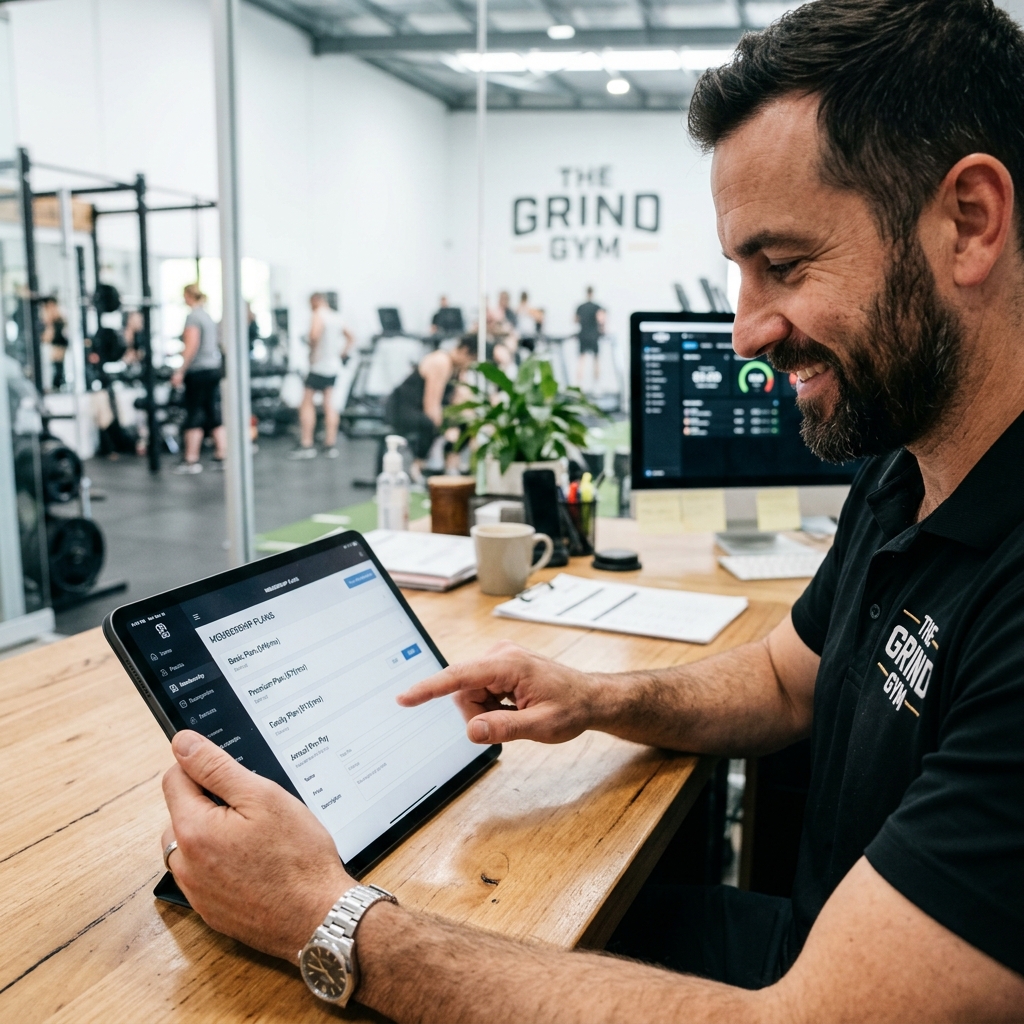
Rather than typing member records manually, the entire membership roster is imported using KeepBill’s standardized CSV template. Key fields—including full name, phone number, emergency contact, plan tier, and renewal date—populate the Member CRM instantly.
Step 2: Instant Hardware Check-In (Barcode & QR)
Each member receives a digital or laminated ID Card containing a unique Code 128 barcode and QR code. At the reception counter, a standard $25 USB keyboard-wedge barcode scanner is plugged into the front-desk computer:
- When an active member scans, a vibrant green confirmation flashes with their photo, remaining days, and greeting.
- When an expired member scans, a bold amber or red alertdisplays immediately: “Membership Expired 4 Days Ago — $70.00 Balance Due.”
This takes the guesswork and social awkwardness away from the receptionist: the software clearly states the renewal requirement, allowing staff to offer an immediate 1-click renewal.
Step 3: Unified 0% Commission Ledger
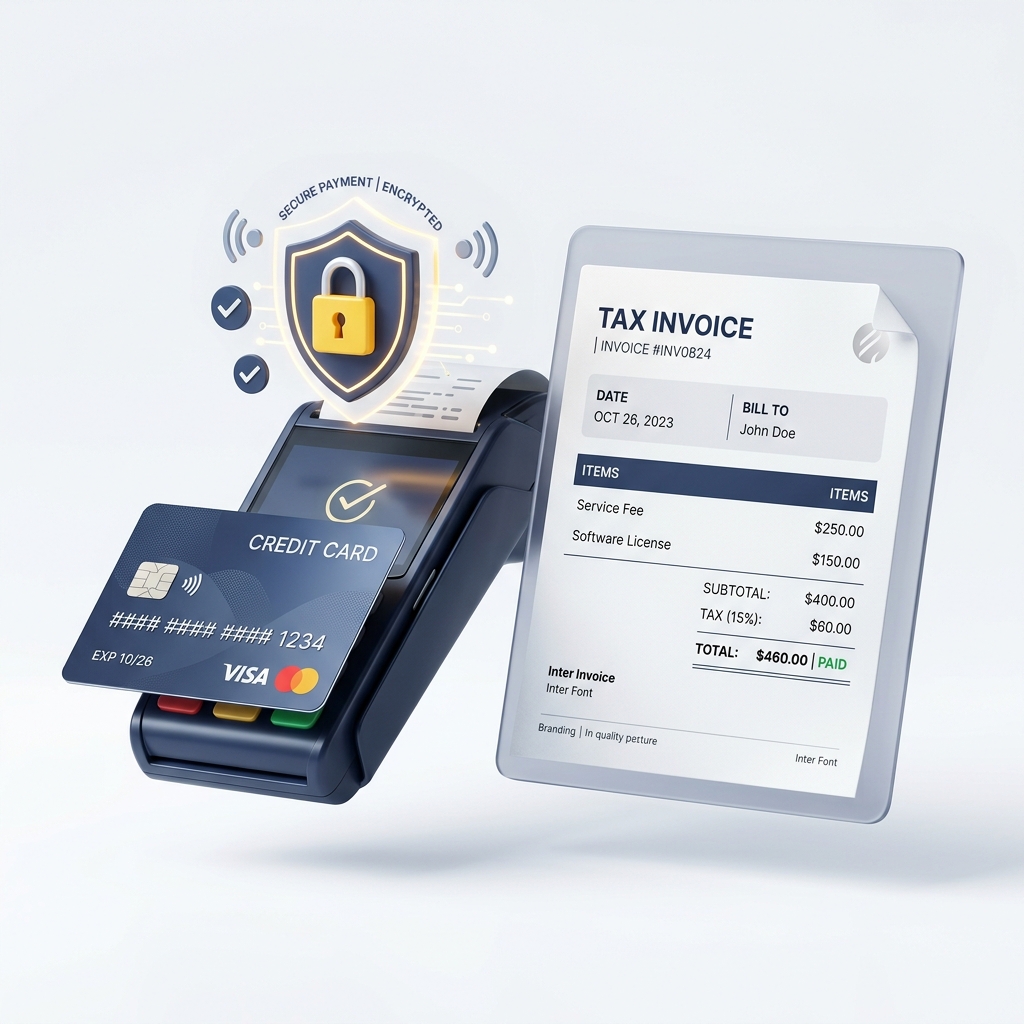
Whenever a payment is made, staff click “Mark Paid”, select the method (Cash, Card, or Bank Wire), and enter an optional reference code. KeepBill charges 0% platform commission, generates an itemized PDF tax receipt with the facility’s logo, and automatically sends a copy to the member via WhatsApp and email.
The Operational Results
| Operational Metric | Manual Spreadsheets | With KeepBill Platform |
|---|---|---|
| Uncollected Dues | 4.5% ($1,260/mo lost) | < 0.4% ($110/mo) |
| Check-in Verification Speed | 15–30 seconds per member | Under 300 milliseconds |
| Weekend Reconciliation | 4 to 5 hours every Saturday | Real-time (0 minutes needed) |
| Member Satisfaction | Frequent disputes over payments | Clear WhatsApp receipts & billing clarity |
Summary: Turning Overhead Into Growth
Recovering $1,150+ in lost dues every month while cutting 15+ hours of administrative overhead pays for gym operations software dozens of times over. When routine billing and attendance run automatically, owners and staff can focus on what actually grows the business: coaching, member experience, and long-term retention.
Frequently Asked Questions
What is revenue leakage in fitness facilities?
Revenue leakage happens when active members continue using equipment, classes, and facilities after their membership has expired without making payment, or when manual cash receipts are recorded incorrectly or omitted from bank reconciliation.
How long does it take to migrate a 400-member gym from Excel to KeepBill?
With KeepBill’s 1-click CSV import, member profiles, plan associations, and existing renewal dates can be fully migrated and operational within 45 to 60 minutes.
Do I need expensive turnstiles to verify attendance at the front desk?
No. KeepBill works with standard, inexpensive USB keyboard-wedge barcode scanners and tablet cameras. When a member scans their Code 128 barcode or QR card, the reception screen immediately displays a clear green (Active) or red (Expired) indicator.